Responsum for CKD
{{user.displayName ? user.displayName : user.userName}}
{{ user.userType }}

Already a member?
Sign inBecome part of the foremost online community!
Sign Up NowOr, download the Responsum for CKD app on your phone


National Kidney Foundation
Researchers are studying whether specially modified pig kidneys could one day provide another transplant option for people with kidney failure. Learn where the science stands and why patient voices matter.
For people living with kidney failure, a transplant can offer greater freedom, better health, and more time away from dialysis. However, there are not enough donated kidneys for everyone who needs one.
Researchers are now studying a possible new source of transplant organs: specially modified pig kidneys. This field is known as xenotransplantation.
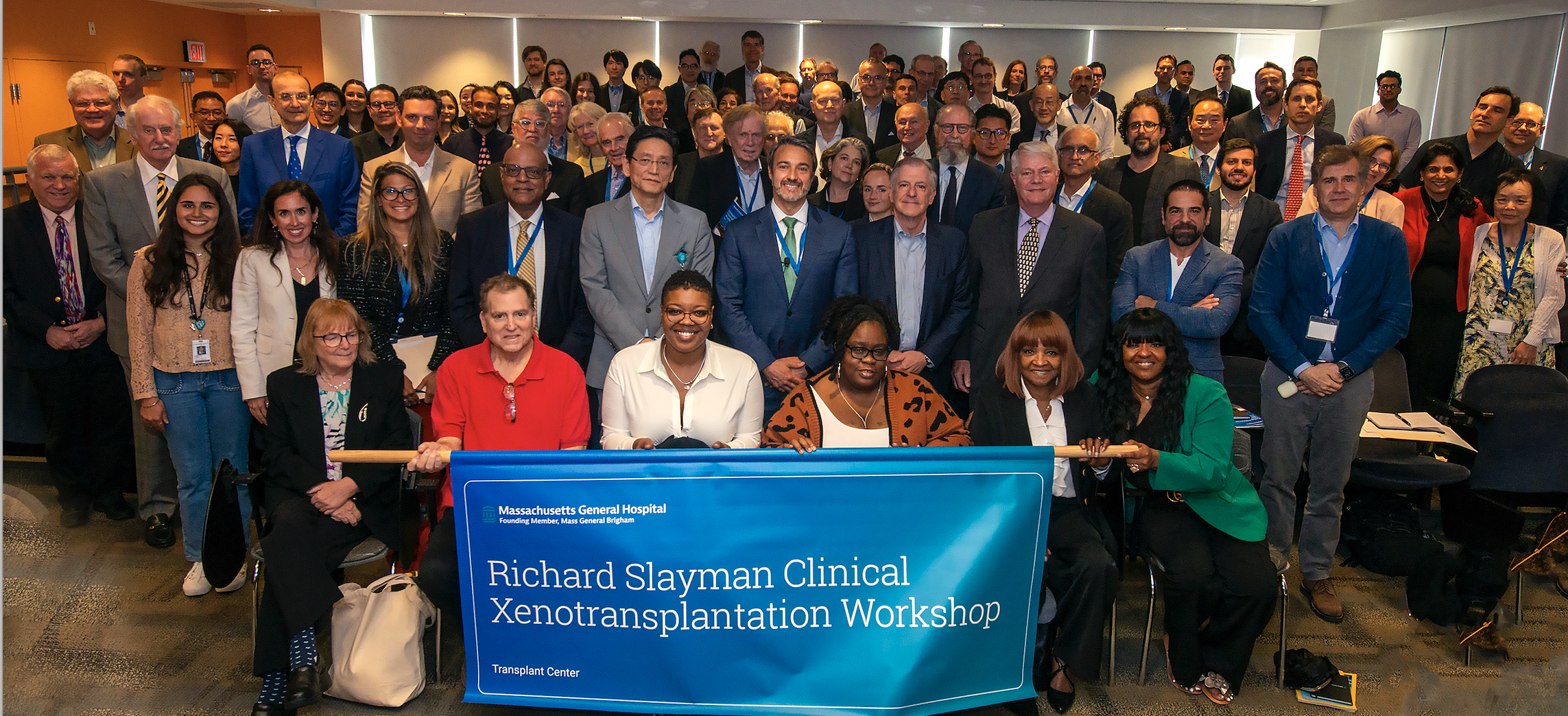
In a recent article the National Kidney Foundation article shared highlights from the Second Annual Richard Slayman Clinical Xenotransplantation Workshop. The meeting brought together doctors, scientists, government regulators, patients, and families to discuss both the promise and the unanswered questions surrounding this developing research.*
Xenotransplantation means transplanting organs, tissues, or cells from one species into another. In kidney research, scientists are studying whether kidneys from genetically modified pigs can function safely inside the human body.
Pig organs cannot simply be transplanted into people without changes. The human immune system is designed to recognize and attack anything it sees as foreign. This reaction, called rejection, can damage a transplanted organ.
Scientists are using genetic engineering to change certain genes in pigs. These changes are meant to make the organs more compatible with the human body and reduce the risk of rejection.
Recent cases have allowed researchers to learn more about how pig kidneys may function in people. However, xenotransplantation is still experimental. It is being studied in carefully controlled clinical settings and is not yet a standard treatment for kidney failure.
There are not enough donated kidneys for everyone who needs a transplant. According to the National Kidney Foundation, more than 100,000 people in the United States are waiting for a kidney, and about 12 people die each day before receiving one. These numbers may change as people join or leave the waiting list.
A kidney transplant can offer better health and quality of life than remaining on dialysis, but many patients wait years for a suitable organ. Researchers are studying specially modified pig kidneys as a possible way to increase the supply of organs and shorten these waits.
Xenotransplantation is still experimental and is not available as a standard treatment. More research is needed to understand how long pig kidneys can work, how to prevent rejection, and how to protect patients from infections and other complications.
The workshop was named in honor of Richard “Rick” Slayman, the first living person to receive a genetically modified pig kidney through a clinical procedure. His experience became an important part of the ongoing effort to understand what may be possible in the future.
Scientists and regulators are studying many important questions before xenotransplantation could become widely available.
One major question is how long a pig kidney can continue working in a person. Researchers also need to better understand how the human immune system responds over time and which medicines may be needed to prevent rejection.
Other questions include:
Researchers must also consider possible risks involving viruses or other infections that could pass from animals to humans. Strict screening, long-term monitoring, and government oversight will be important parts of protecting patients and the public.
Representatives from the U.S. Food and Drug Administration and the National Institutes of Health participated in the workshop. According to the NKF article, regulators made it clear that full approval of xenotransplantation as a standard treatment is still a long way off.
This does not mean the research has failed. It means scientists must move carefully, learn from each case, and avoid rushing a treatment before its risks and benefits are better understood.
The workshop did not focus only on laboratory research and surgical techniques. It also emphasized that people living with kidney disease must have a meaningful role in shaping the future of xenotransplantation.
Heather Murphy of the National Kidney Foundation led a panel that included patients and family members. The discussion gave researchers, doctors, and policymakers an opportunity to hear directly from people affected by kidney failure and the transplant shortage.
Patients may have questions and concerns that researchers do not always consider. These can include how a treatment may affect daily life, how much uncertainty a person is willing to accept, what follow-up care may involve, and how patients should receive clear information before deciding whether to participate in research.
Xenotransplantation may one day help reduce the shortage of kidneys available for transplant. Current progress is encouraging, but the treatment remains experimental.
For now, people with advanced kidney disease should continue discussing established treatment options with their healthcare teams. These may include dialysis, evaluation for a human kidney transplant, and the possibility of receiving a kidney from a living donor.
You may also want to ask your kidney doctor:
Be cautious about headlines that suggest pig kidney transplants are already proven or widely available. Research findings may be important without meaning that a treatment is ready for routine use.
*National Kidney Foundation. (July 16, 2026) “Hope and Science: Inside the 2nd Richard Slayman Clinical Xenotransplantation Workshop” kidney.org
The information provided by Responsum for CKD is for educational purposes only and does not replace professional medical advice. Always talk with your nephrologist or other qualified healthcare provider before making changes to your treatment or kidney care. Responsum for CKD does not endorse specific treatments, providers, or products.
Source: {{articlecontent.article.sourceName}}
Receive daily updated expert-reviewed article summaries. Everything you need to know from discoveries, treatments, and living tips!
Already a Responsum member?
Available for Apple iOS and Android


We've sent a report to our community managers who will take the necessary steps. This member will be removed form your Community Chat and will no longer be able to message you.
Please contact us if you have any questions.
Add Comments
Cancel